Bio Medical Waste Equipment Manufacturing
May 13, 2026
Bio medical waste management plays a vital role in maintaining hygiene, environmental safety, and infection control in hospitals, laboratories, clinics, pharmaceutical industries, and healthcare facilities. The increasing demand for safe disposal of medical waste has led to the rapid growth of bio medical waste equipment manufacturing. These specialized machines and systems are designed to handle, treat, disinfect, and dispose of hazardous medical waste efficiently while complying with healthcare and environmental regulations.
Bio medical waste equipment manufacturers focus on developing advanced, durable, and efficient solutions that ensure safe handling of infectious waste generated from healthcare and research activities. The manufacturing process involves the use of high-quality materials, precision engineering, and strict quality control measures to produce reliable and long-lasting equipment capable of operating under demanding conditions.
Bio medical waste equipment manufacturers focus on developing advanced, durable, and efficient solutions that ensure safe handling of infectious waste generated from healthcare and research activities. The manufacturing process involves the use of high-quality materials, precision engineering, and strict quality control measures to produce reliable and long-lasting equipment capable of operating under demanding conditions.
Importance of Bio Medical Waste Equipment
Proper management of biomedical waste is essential to prevent the spread of infections, contamination, and environmental pollution. Medical waste may include contaminated dressings, syringes, sharps, pathological waste, laboratory waste, and pharmaceutical waste, all of which require specialized treatment and disposal methods. Bio medical waste equipment helps healthcare facilities maintain hygiene standards, protect healthcare workers, and comply with government safety regulations.
Common Types of Bio Medical Waste Equipment
Manufacturers produce a wide range of bio medical waste management equipment, including:
- Biomedical Waste Incinerators
- Autoclaves for Medical Waste Sterilization
- Shredders and Needle Destroyers
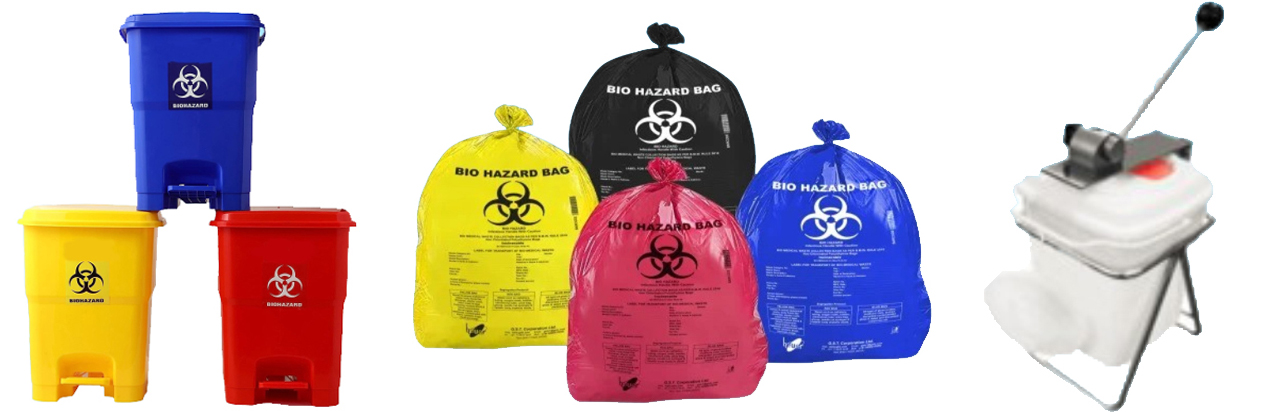
- Waste Collection Trolleys and Bins
- Sharp Containers and Disposal Systems
- Effluent Treatment Plants (ETP)
- Waste Segregation Systems
- Microwave and Chemical Disinfection Units
Manufacturing Process
The manufacturing of bio medical waste equipment involves several stages, including:
Design & Engineering
Engineers develop equipment designs based on healthcare industry requirements, safety standards, and operational efficiency.
Material Selection
High-grade stainless steel, corrosion-resistant metals, and durable components are selected to ensure long service life and hygienic operation.
Fabrication & Assembly
Advanced fabrication techniques and precision assembly processes are used to manufacture robust and reliable equipment.operation.
Quality Testing
Each unit undergoes strict quality checks, performance testing, and safety inspections to ensure compliance with healthcare and environmental standards.
Installation & Support
Manufacturers also provide installation assistance, operational training, and after-sales support for smooth equipment functioning.
Features of Modern Bio Medical Waste Equipment
- Durable and corrosion-resistant construction
- Hygienic and easy-to-clean design
- Energy-efficient operation
- Safe and eco-friendly waste treatment systems
- Advanced temperature and pressure control systems
- User-friendly operation and automation
- Compliance with biomedical waste management regulations
- Reliable performance for continuous operation
Conclusion
Bio medical waste equipment manufacturing is a crucial sector supporting safe healthcare waste management, infection control, and environmental protection. High-quality waste management systems help healthcare facilities handle hazardous waste safely and efficiently. With continuous innovation and advanced engineering, biomedical waste equipment manufacturers are contributing significantly to safer healthcare environments and sustainable medical waste management practices worldwide.
